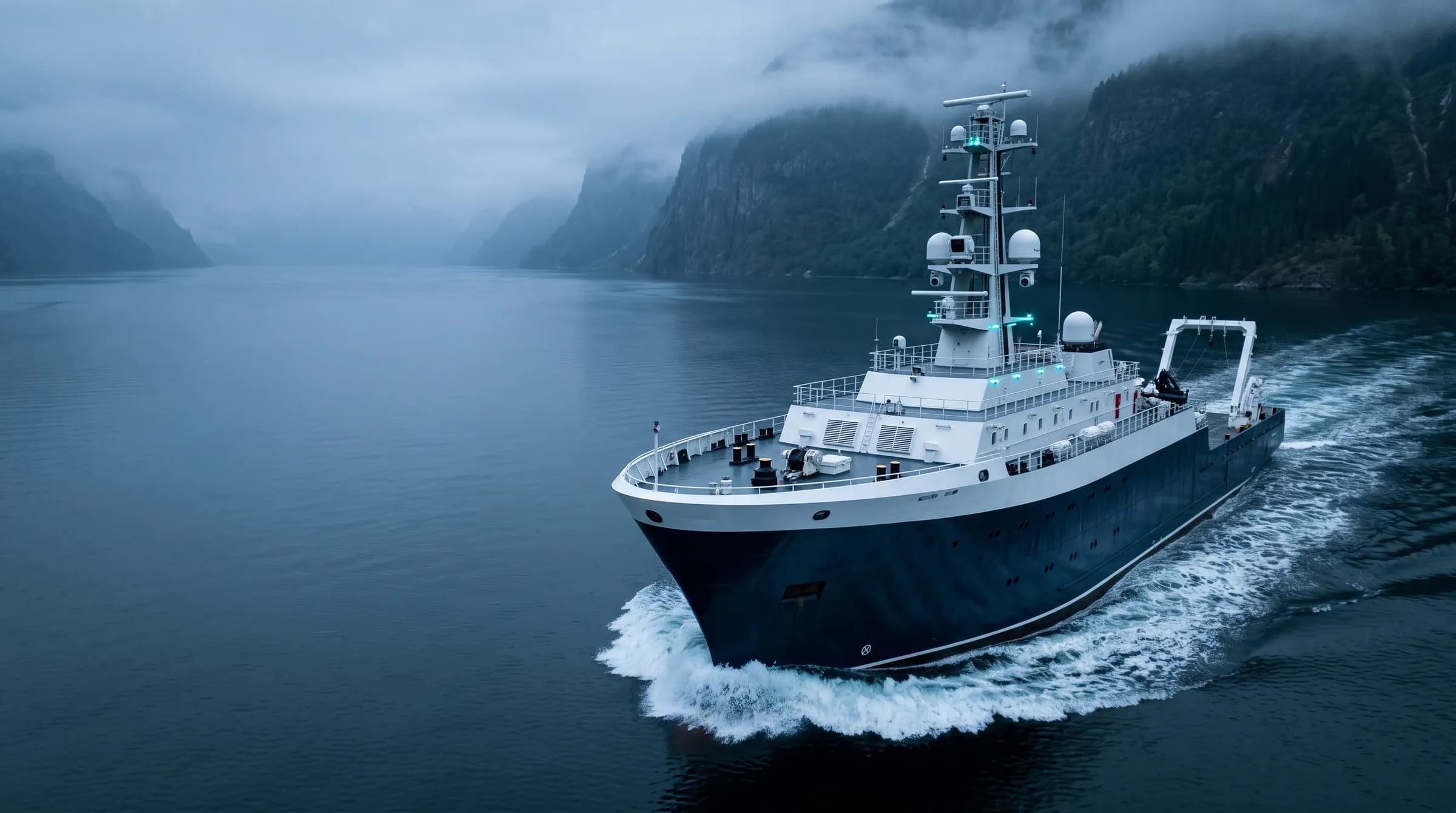
Autonomous maritime systems
Sensing, navigation and remote-operation systems for crewed and uncrewed vessels.
Overview
Sensing, navigation and remote-operation systems for crewed and uncrewed vessels.
Ships that navigate themselves. LiDAR, sonar, inertial navigation, cameras and AI — all fused into one perception pipeline. Real-time collision avoidance.
- System
- Autonomous systems
- Part of
- Core systems
Capabilities
Key features.
Autonomous navigation
GPS-denied autonomous transit using multi-sensor fusion.
Collision avoidance
Real-time obstacle detection and avoidance powered by LiDAR, sonar and computer vision.
Shore-based monitoring
Remote fleet-level monitoring with real-time telemetry and autonomous decision oversight.
Regulatory context
The rules this system works within.
The international and class requirements that shape how autonomous and remote-operation systems are specified and approved.
- IMOCodeIMO MASS CodeAdopted at MSC 111 in May 2026. Non-mandatory and in effect from 1 July 2026; a mandatory code is planned from 2032 at the earliest.dnv.com
- DNVClass guidelineDNV-CG-0264DNV’s class guideline for autonomous and remotely operated vessels.dnv.com
- DNVClass notationDNV AROSClass notations for autonomous and remotely operated ships, set by function, mode of operation and where control sits.dnv.com
For reference only. What applies to a vessel depends on its flag, class society, type and contract date.
Also explore
Related systems.
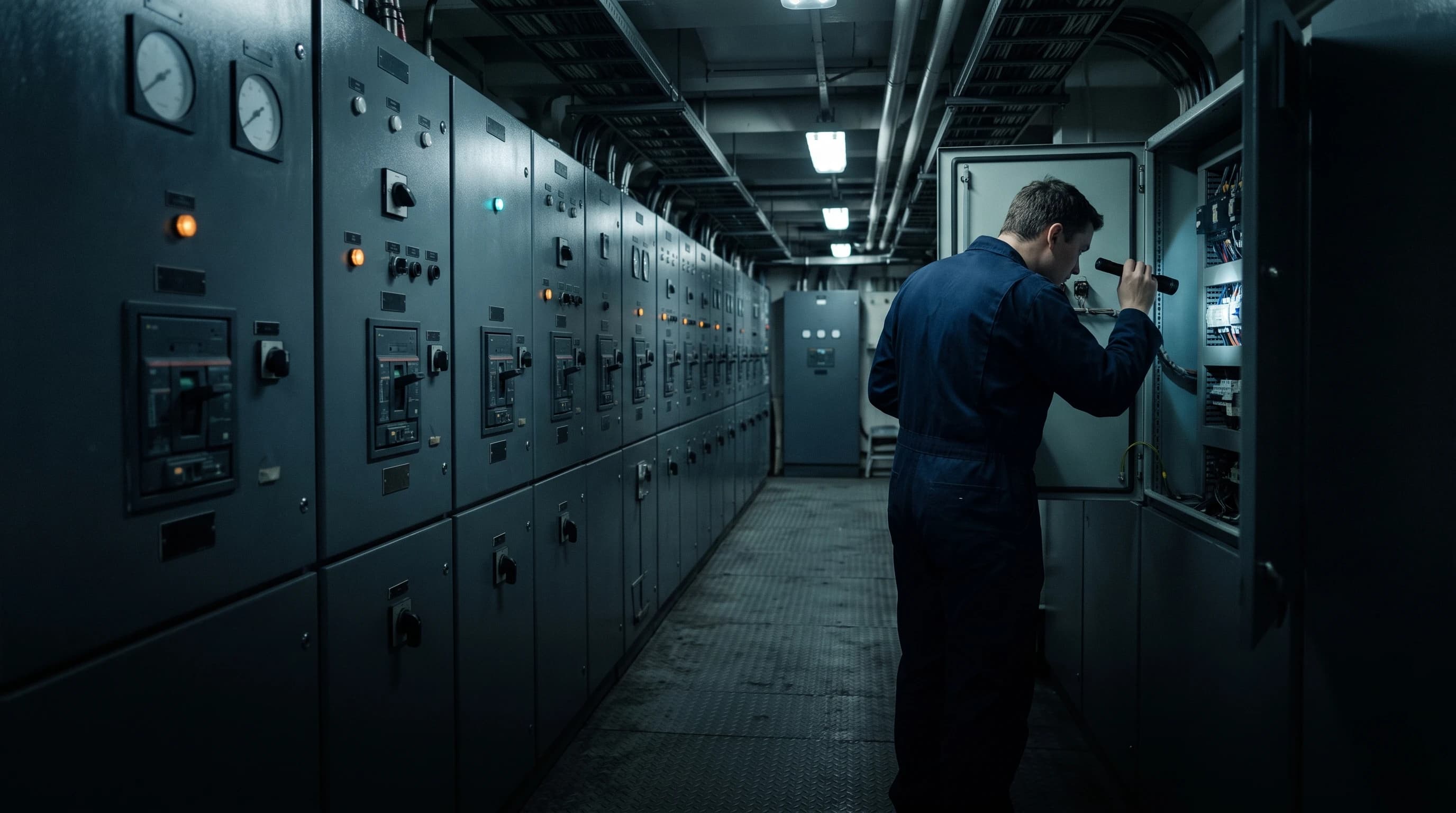 PMSPower managementControls how power is generated and shared between generators and loads on board.
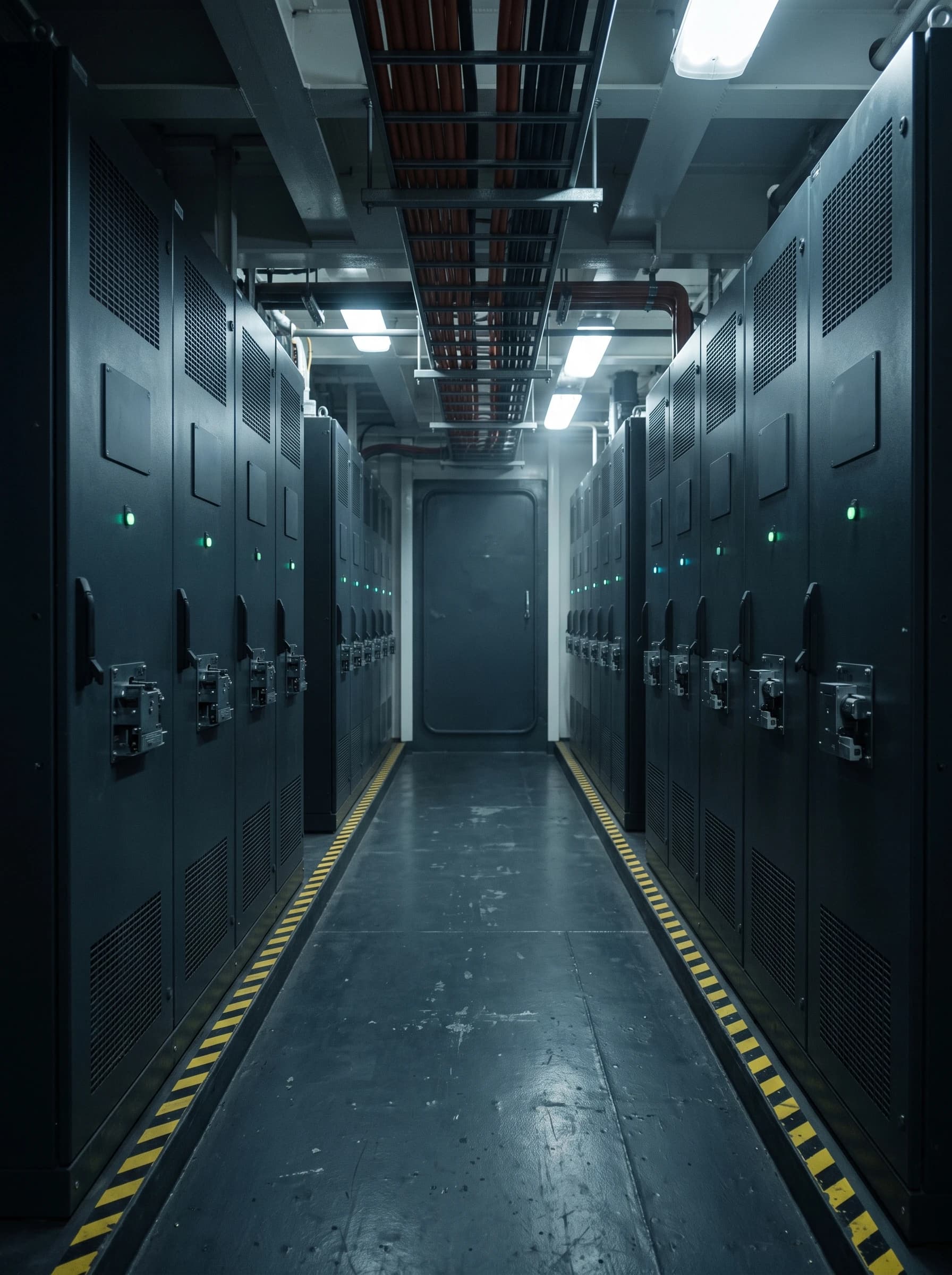 ESSEnergy storageBattery systems that store energy on board for peak loads, backup and hybrid operation.
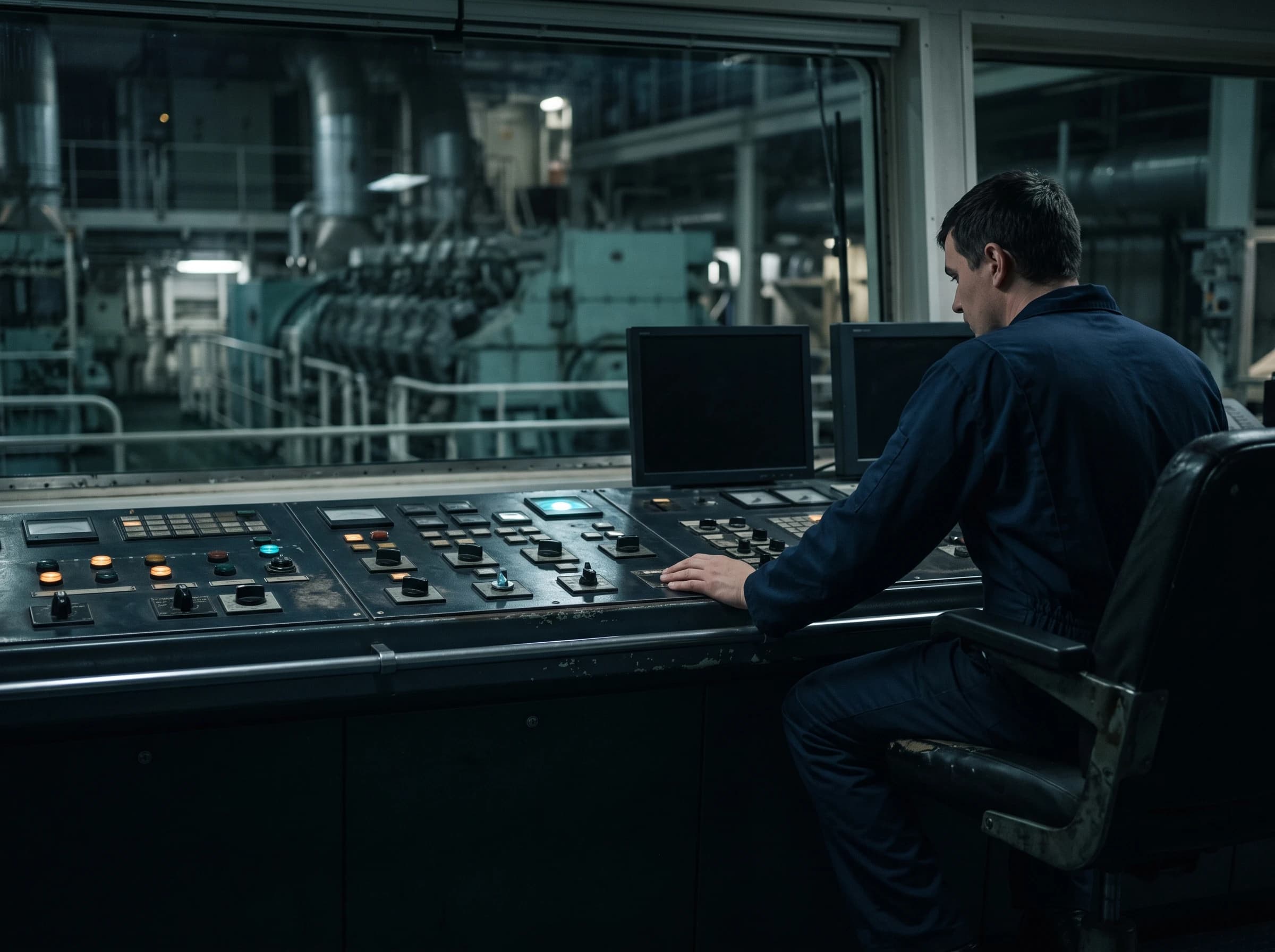 IASIntegrated automationBrings the vessel's machinery and electrical systems into one monitoring and control system.
Talk to an engineer.
Tell us about the vessel and the system. We'll come back with what we'd look at first.
Start a conversation