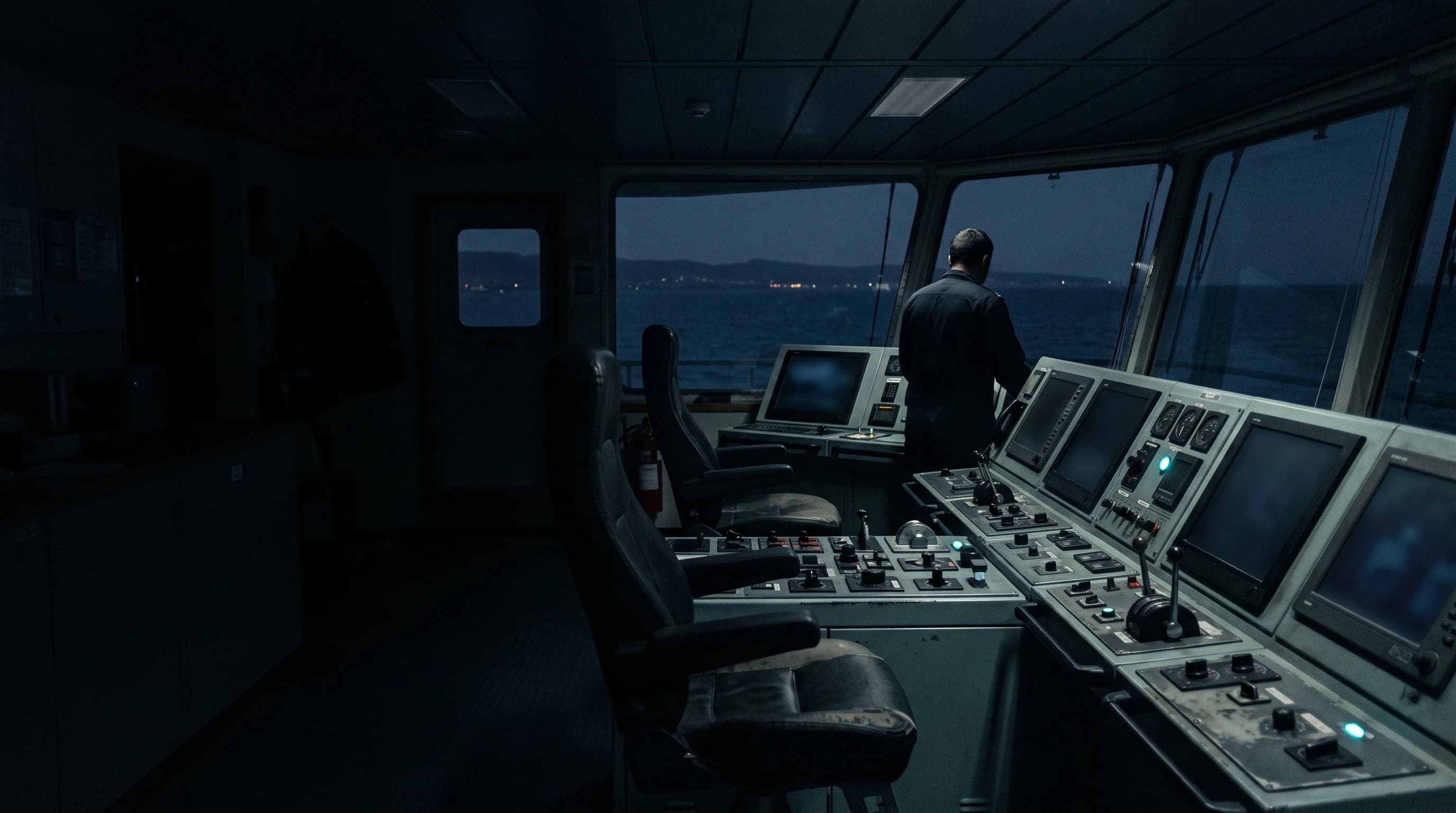
Integrated automation systems
The operating system of the vessel.
Overview
Brings the vessel's machinery and electrical systems into one monitoring and control system.
A central platform that connects all the ship's mechanical and electrical systems into one interface. SCADA, PLC and IoT data unified into a clean, modern UI with real-time graphs and alerts. Digital twins for every sub-system — propulsion to HVAC. One pane of glass. Total visibility.
- System
- Integrated automation
- Part of
- Core systems
Capabilities
Key features.
Digital twins
Physics-based models mirror every physical asset, enabling simulation before action.
Unified network
Single IP backbone converges automation, safety and navigation into one network layer.
Single pane of glass
Operator workstations present all sub-systems in one coherent, context-aware interface.
Autonomous response
Rule-engine driven automation handles routine sequences without operator intervention.
Regulatory context
The rules this system works within.
The international and class requirements that shape how an integrated automation system is specified and approved.
- IMOConventionSOLAS Chapter II-1, Reg. 46Additional requirements for periodically unattended machinery spaces.imo.org
- IACSUnified requirementIACS UR E26 / E27Cyber resilience of ships and of on-board computer-based systems. Applies to newbuilds contracted from 1 July 2024.dnv.com
- DNVClass notationDNV E0Class notation for periodically unattended machinery spaces, with an approved test plan.dnv.com
For reference only. What applies to a vessel depends on its flag, class society, type and contract date.
Also explore
Related systems.
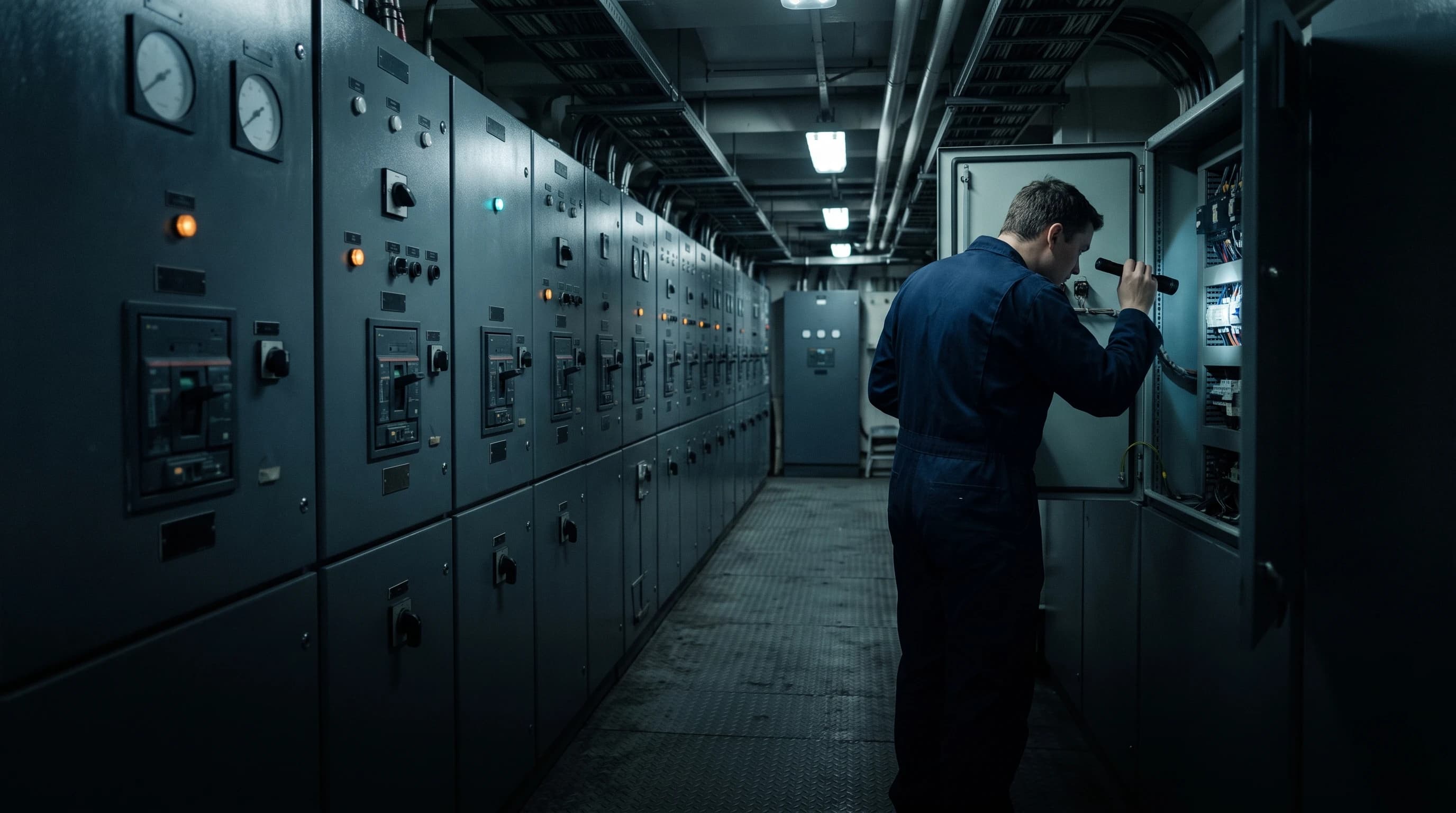 PMSPower managementControls how power is generated and shared between generators and loads on board.
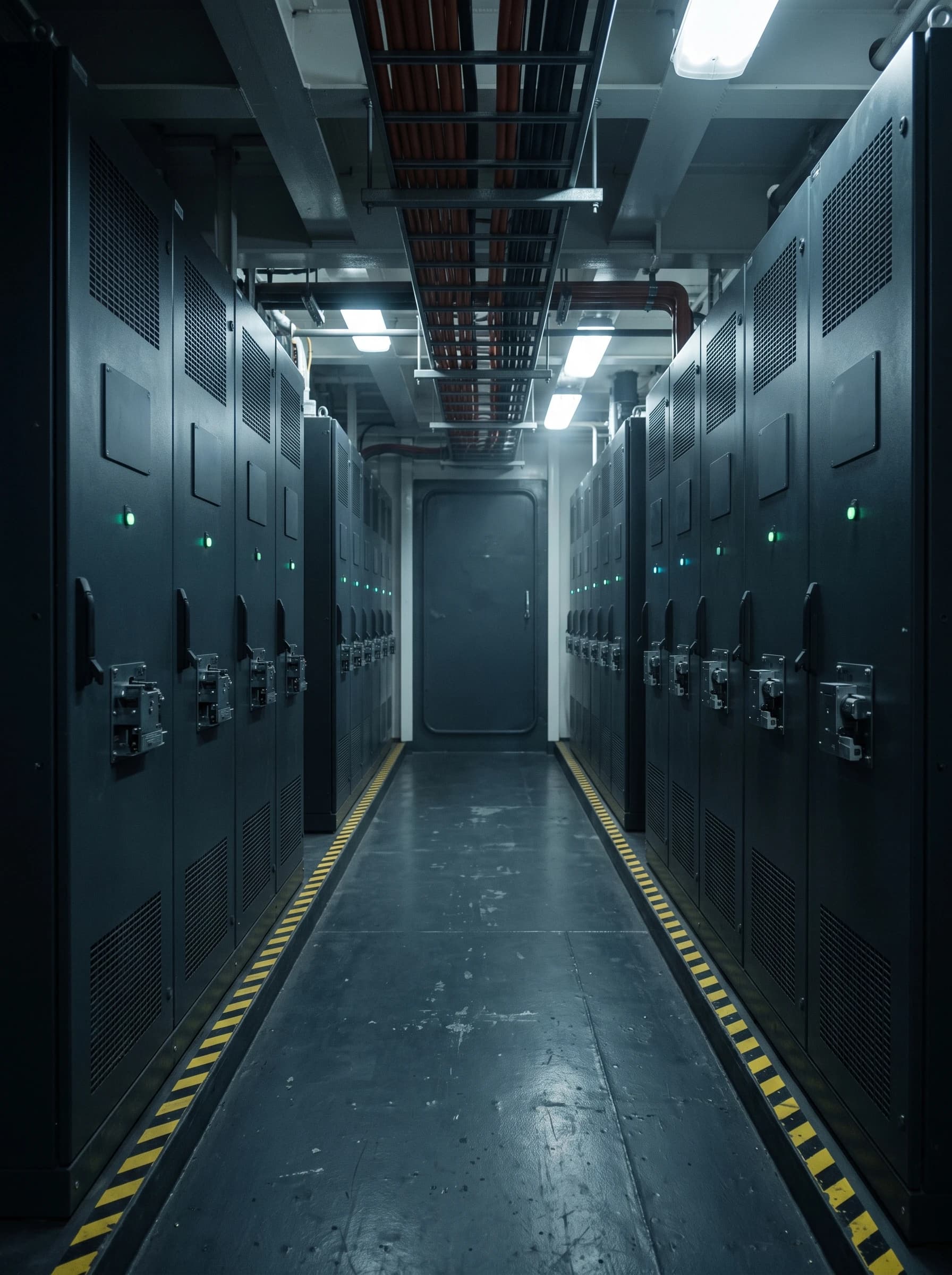 ESSEnergy storageBattery systems that store energy on board for peak loads, backup and hybrid operation.
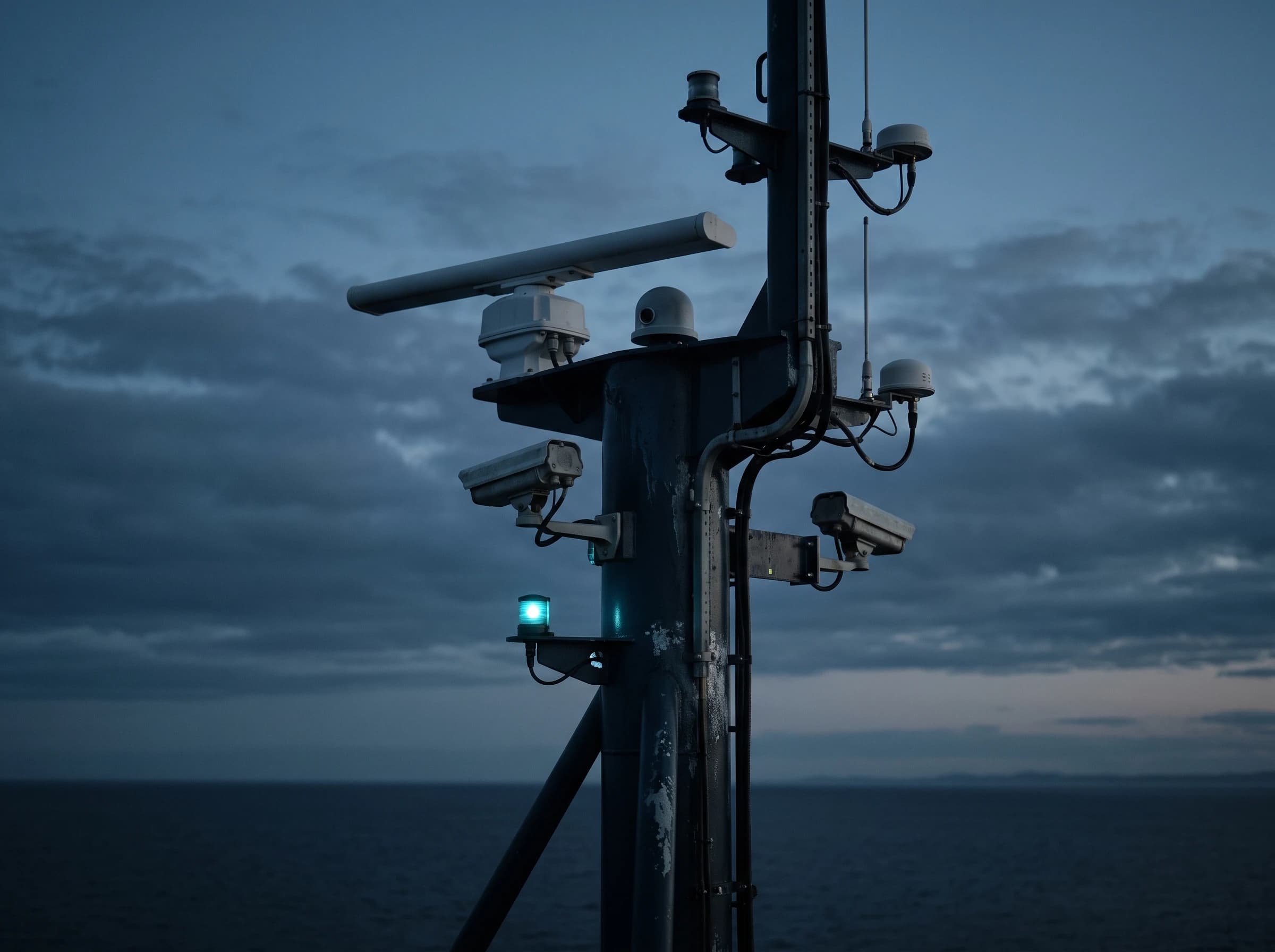 AutonomyAutonomous systemsSensing, navigation and remote-operation systems for crewed and uncrewed vessels.
Talk to an engineer.
Tell us about the vessel and the system. We'll come back with what we'd look at first.
Start a conversation