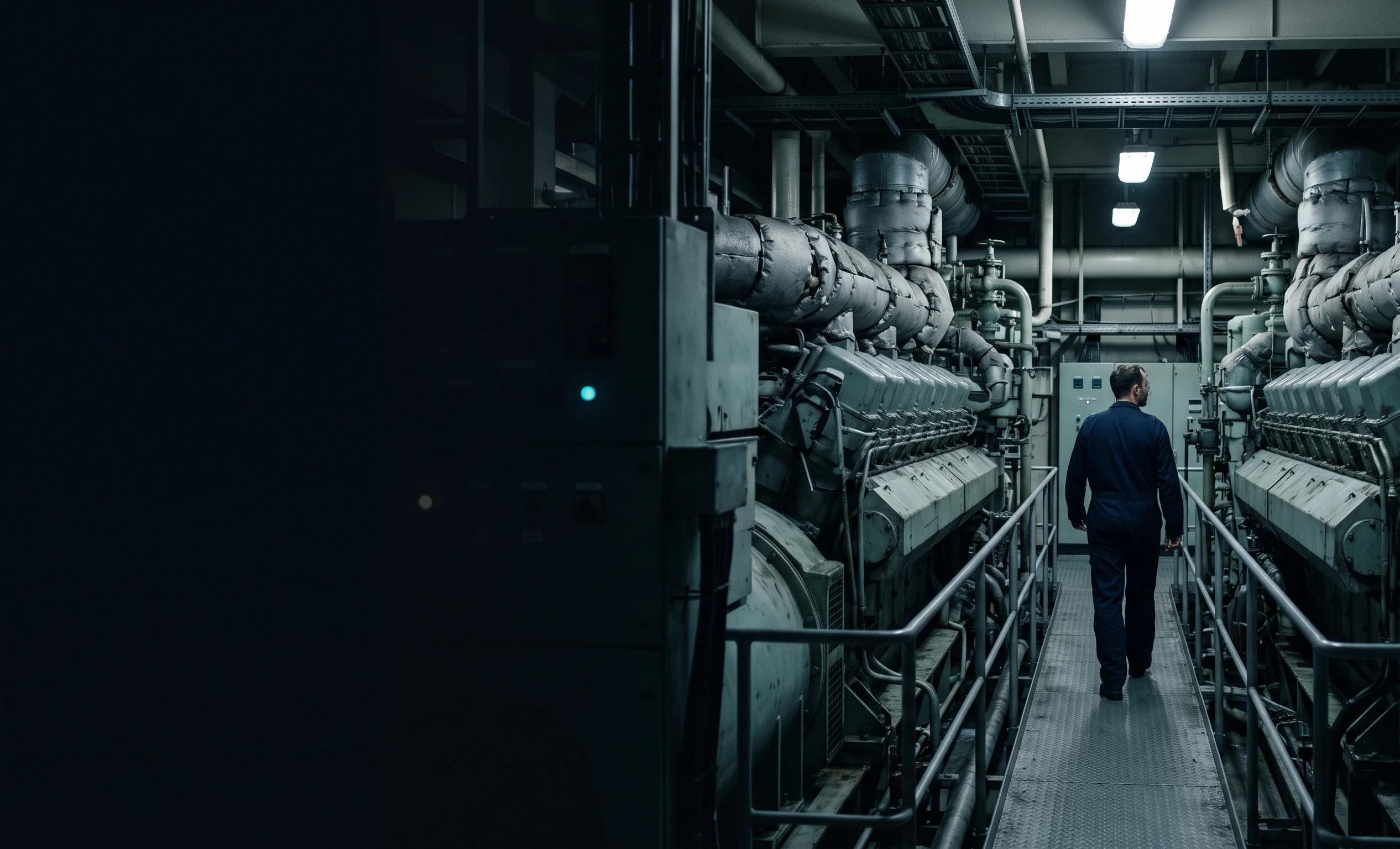
Power Management (PMS)
Power management systems
The brain of your electrical grid
Overview
Controls how power is generated and shared between generators and loads on board.
The PMS controls how much power is generated and distributed.
- System
- Power management
- Part of
- Core systems
Capabilities
Key features.
Load prediction
AI-driven forecasting anticipates demand spikes and optimises generator scheduling in real time.
Thermal management
Real-time thermal analytics prevent component degradation under peak load scenarios.
Regulatory context
The rules this system works within.
The international and class requirements that shape how a power management system is specified and approved.
- IMOConventionSOLAS Chapter II-1, Part DThe international convention’s requirements for a ship’s electrical installations, including its main and emergency sources of power.imo.org
- IACSUnified requirementIACS UR E26 / E27Cyber resilience of ships and of on-board computer-based systems. Applies to newbuilds contracted from 1 July 2024.dnv.com
- DNVClass rulesDNV Rules Pt.4 Ch.8Electrical installations: DNV’s class rules for the electrical systems on board ships.dnv.com
For reference only. What applies to a vessel depends on its flag, class society, type and contract date.
Also explore
Related systems.
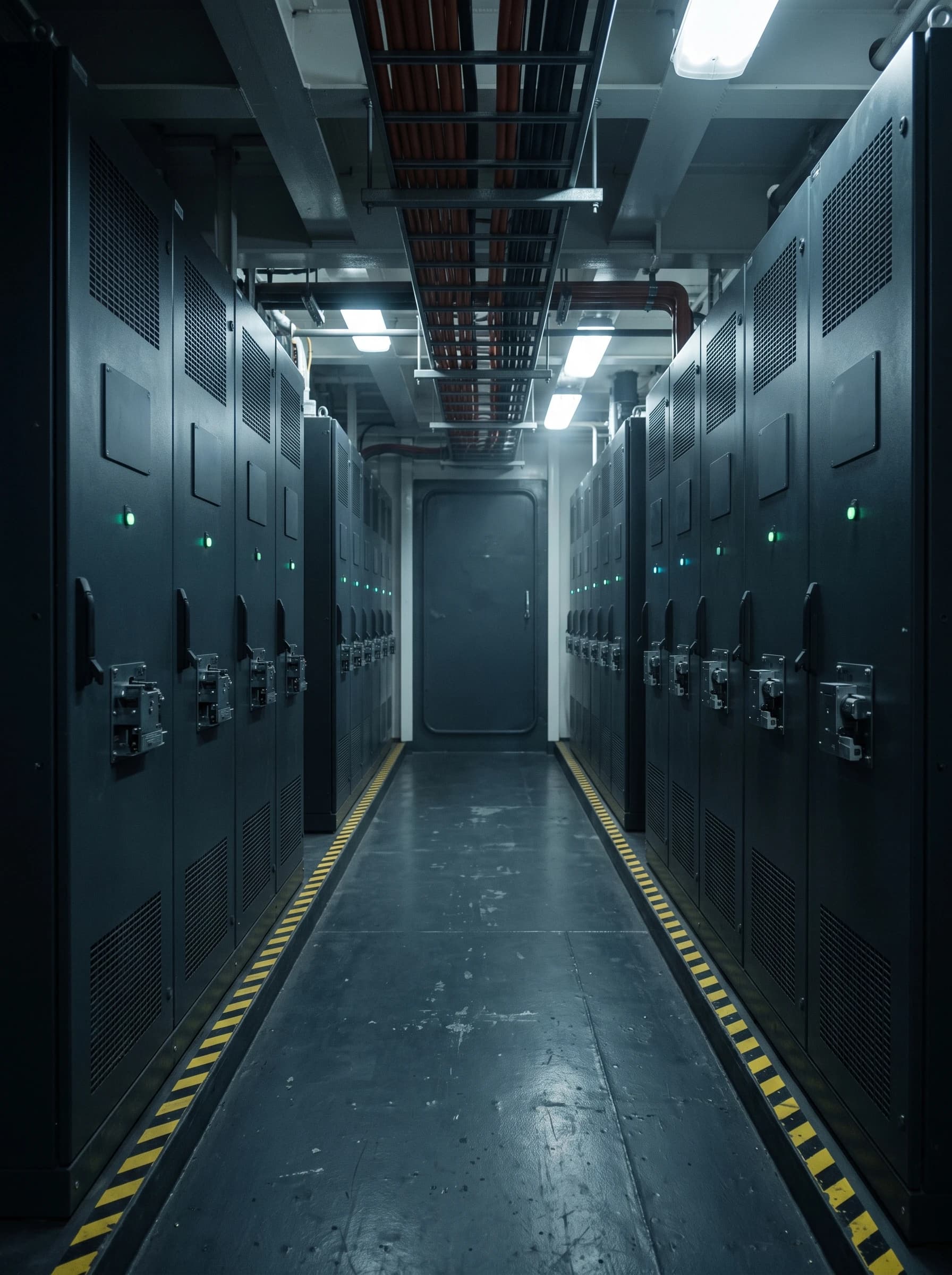 ESSEnergy storageBattery systems that store energy on board for peak loads, backup and hybrid operation.
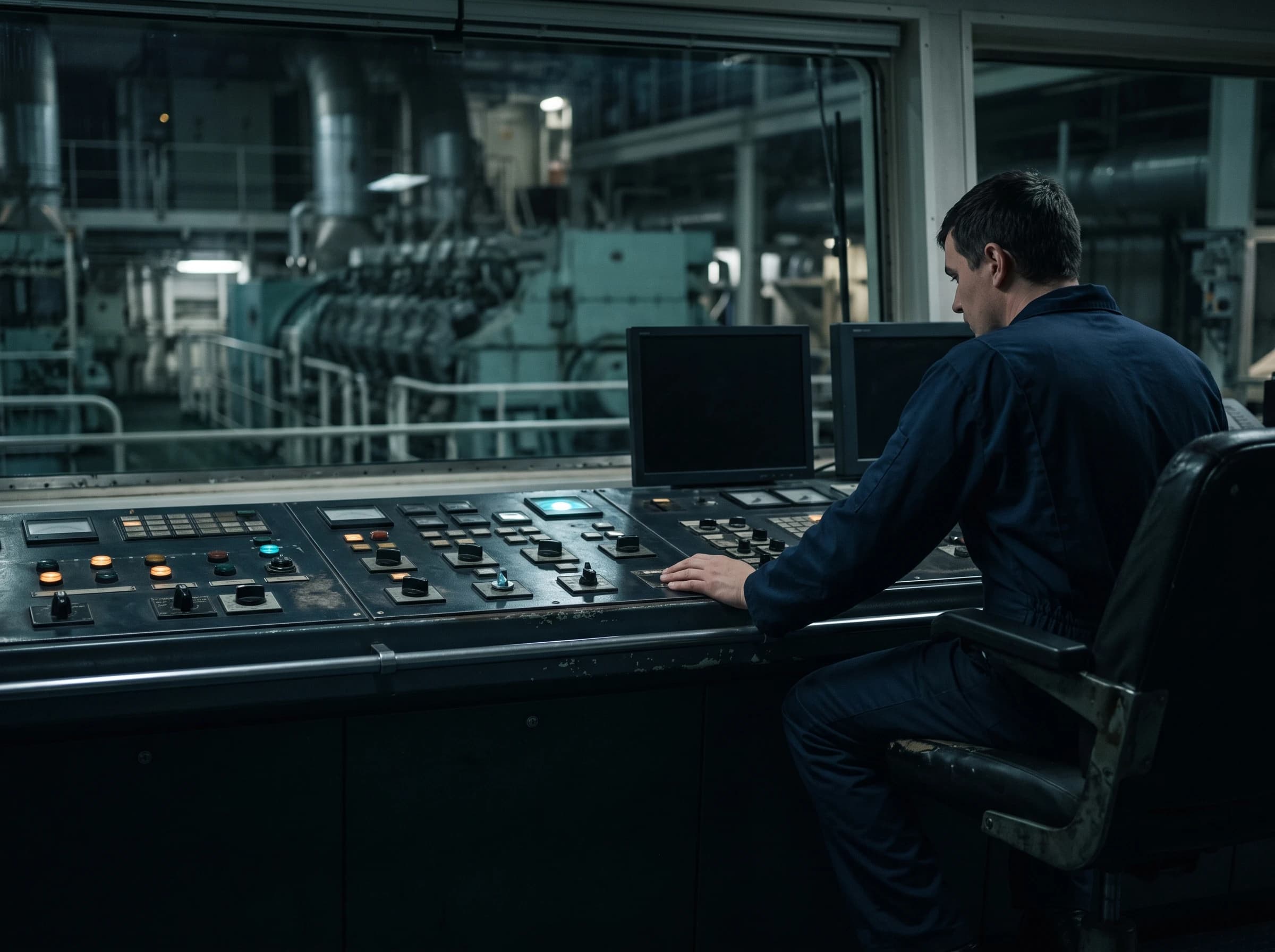 IASIntegrated automationBrings the vessel's machinery and electrical systems into one monitoring and control system.
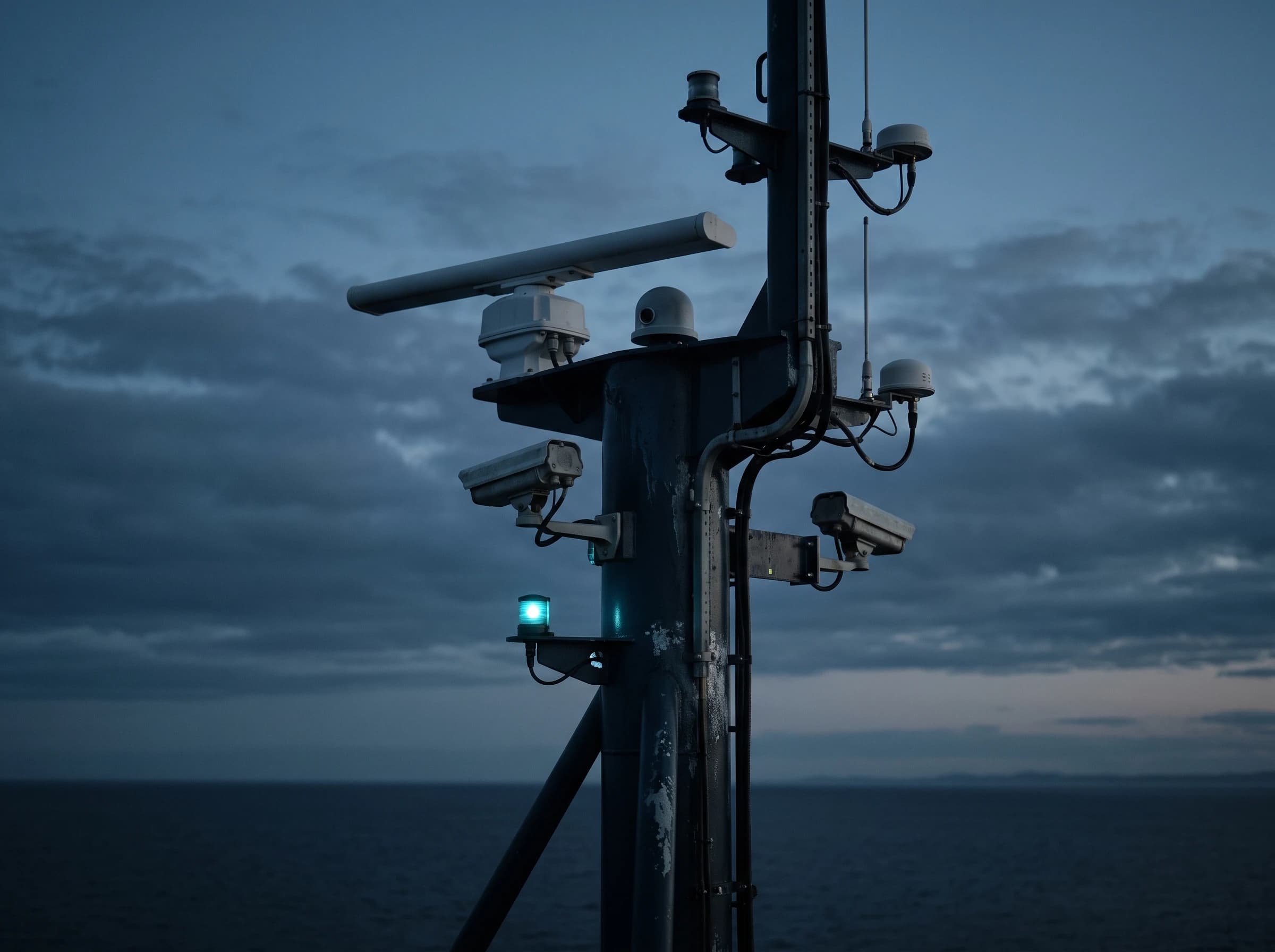 AutonomyAutonomous systemsSensing, navigation and remote-operation systems for crewed and uncrewed vessels.
Talk to an engineer.
Tell us about the vessel and the system. We'll come back with what we'd look at first.
Start a conversation