
Energy storage systems
Battery systems that store energy on board for peak loads, backup and hybrid operation.
Overview
Battery systems that store energy on board for peak loads, backup and hybrid operation.
Large-scale battery banks that store excess energy, reduce fuel consumption and provide backup power — like a giant Powerwall for a ship or data centre.
- System
- Energy storage
- Part of
- Core systems
Capabilities
Key features.
Cell balancing
Proprietary algorithms maximise cycle life by balancing individual cell states of charge.
Sustainable chemistry
LFP and next-gen sodium-ion chemistries reduce environmental impact without compromising density.
Cloud diagnostics
Remote fleet-level monitoring with predictive maintenance scheduling across every installation.
Regulatory context
The rules this system works within.
The international and class requirements that shape how an energy storage system is specified and approved.
- IMOConventionSOLAS Chapter II-1, Part DThe international convention’s requirements for a ship’s electrical installations, including its main and emergency sources of power.imo.org
- IACSUnified requirementIACS UR E26 / E27Cyber resilience of ships and of on-board computer-based systems. Applies to newbuilds contracted from 1 July 2024.dnv.com
- DNVClass notationDNV Battery (Power)Class notation for lithium-ion battery installations of more than 20 kWh on board DNV-classed vessels.dnv.com
For reference only. What applies to a vessel depends on its flag, class society, type and contract date.
Also explore
Related systems.
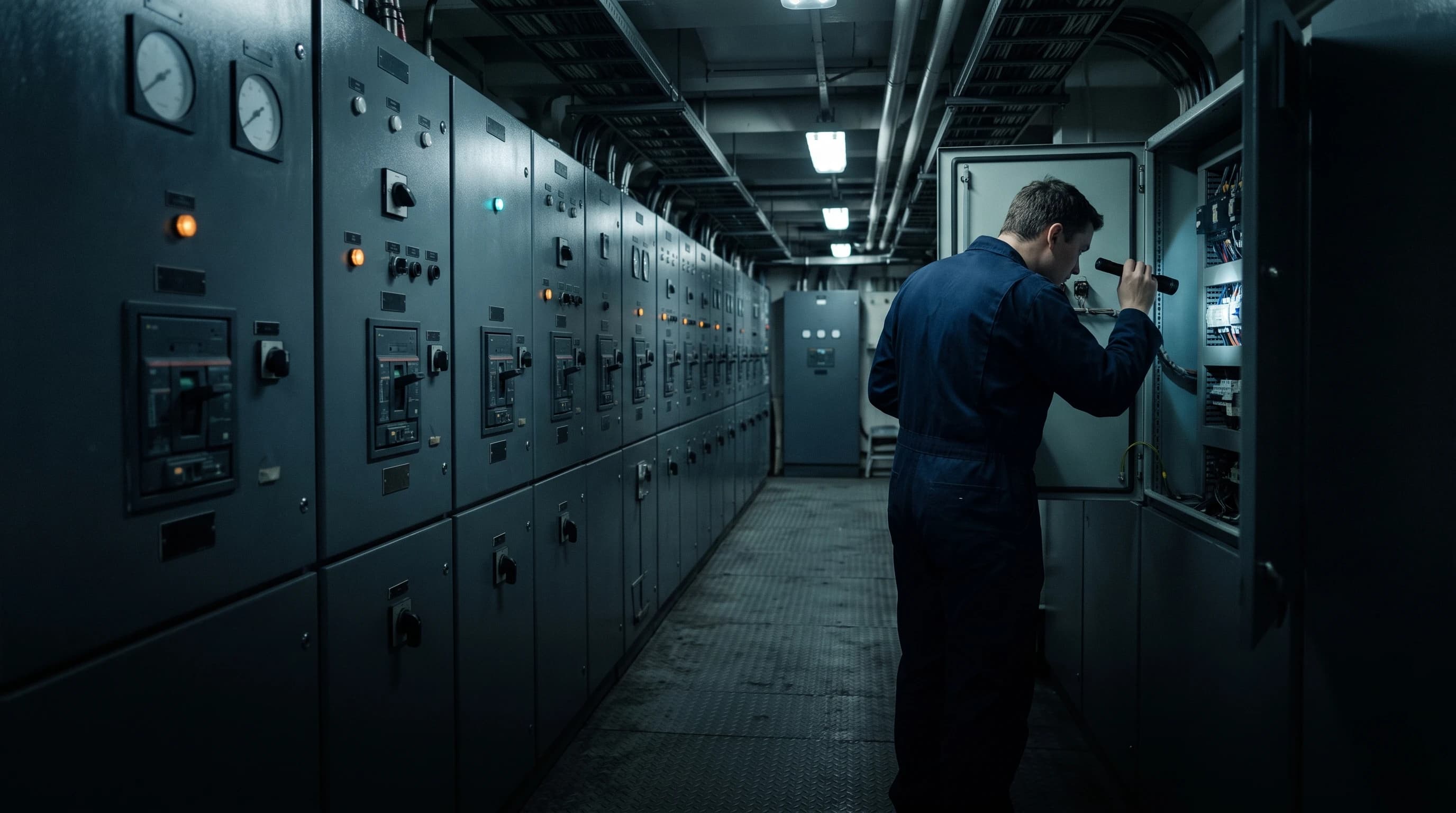 PMSPower managementControls how power is generated and shared between generators and loads on board.
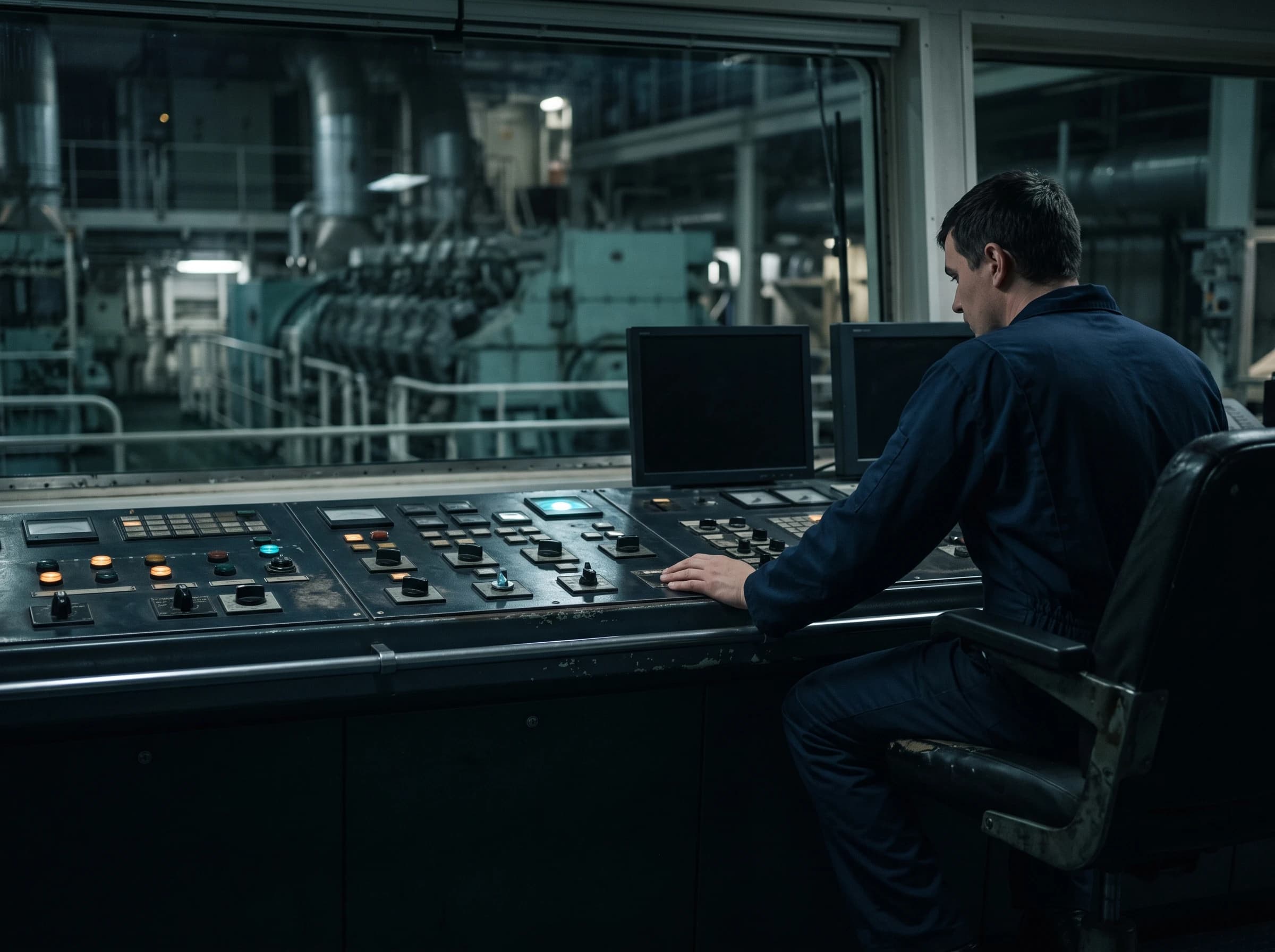 IASIntegrated automationBrings the vessel's machinery and electrical systems into one monitoring and control system.
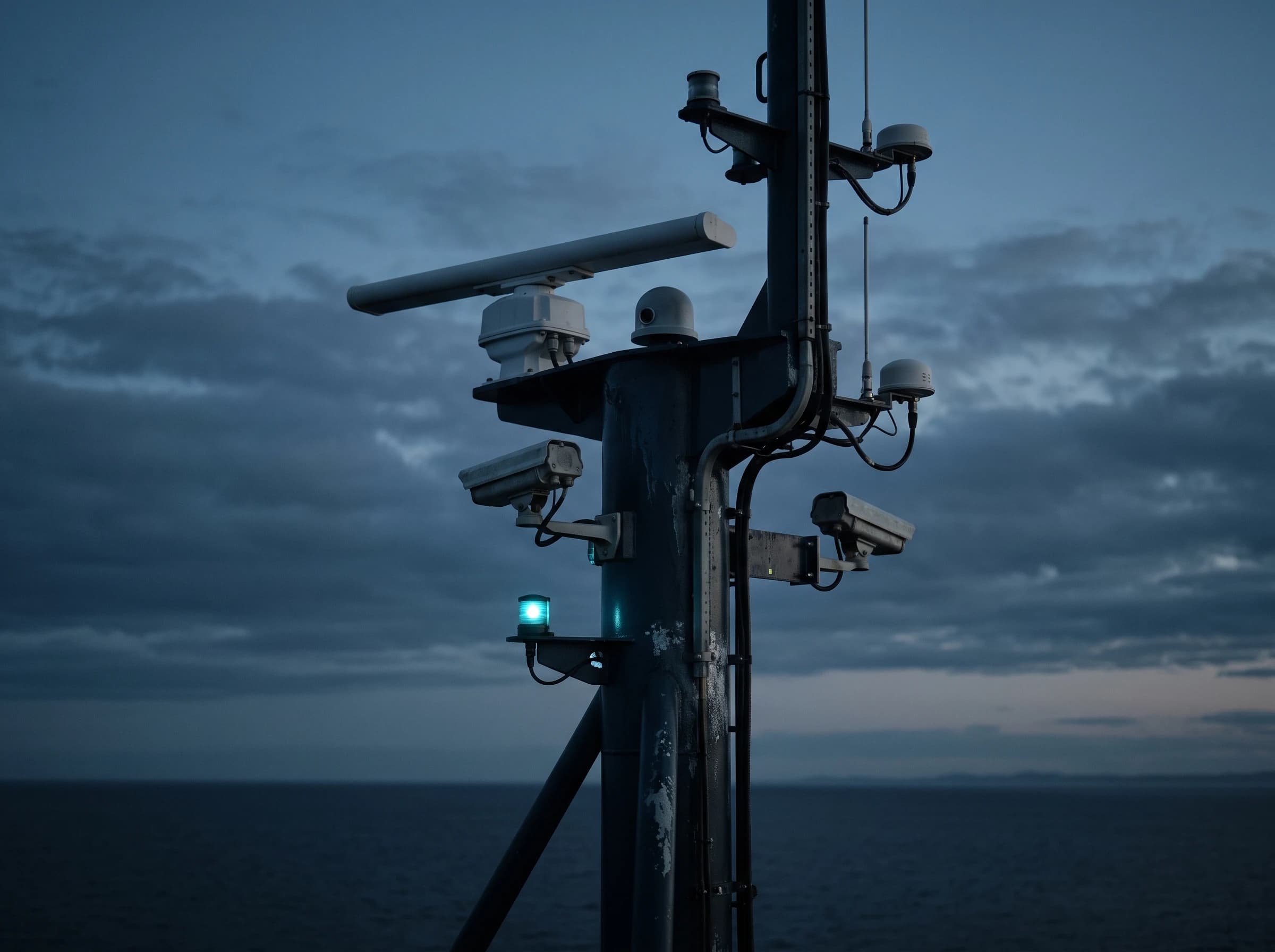 AutonomyAutonomous systemsSensing, navigation and remote-operation systems for crewed and uncrewed vessels.
Talk to an engineer.
Tell us about the vessel and the system. We'll come back with what we'd look at first.
Start a conversation